Microclimate Simulations
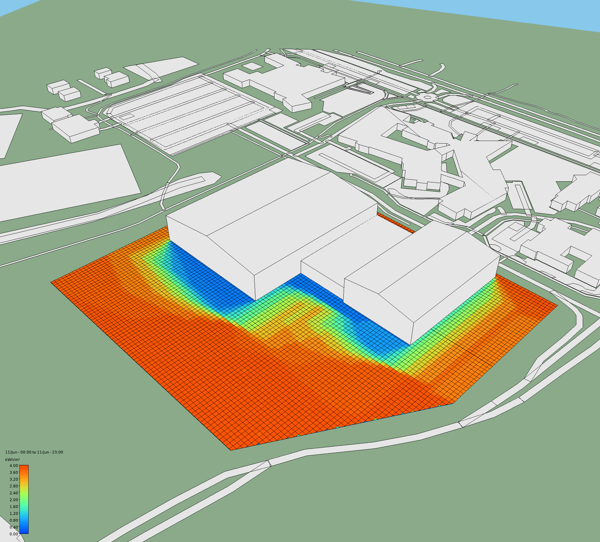
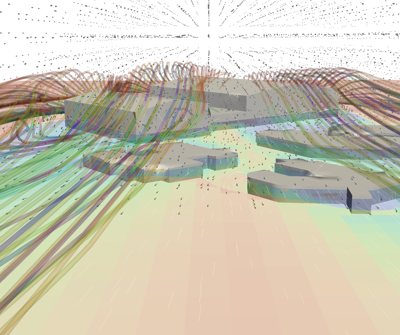
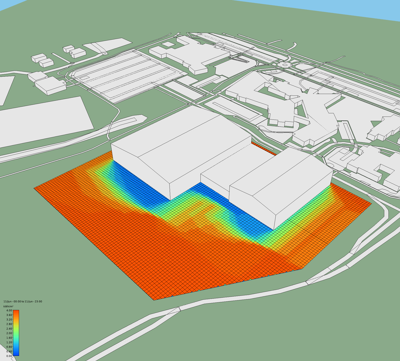
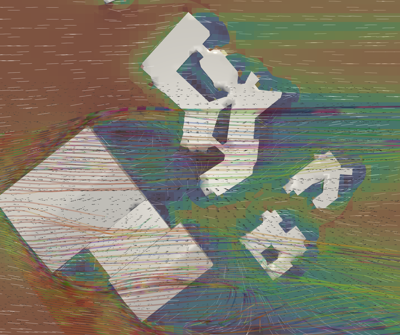
As part of the Expression of Interest study for Moreton Bay Indoor Sports Centre in Queensland, we used advanced modelling techniques to elevate the quality of the built environment. This included Computational Fluid Dynamic (CFD) analysis for wind flow, as well as a detailed solar heat study to inform and optimise outdoor space planning.
You can learn more about microclimate simulations in this article by our decarbonisation expert, Dr Tony Lam.
Building, nature and the environment are the key issues to human beings. In Australia, many people may experience situations like this: during summer, public open spaces such as parks and playgrounds become too hot and exposed to the sun, making them uncomfortable to use in the daytime. In winter, these spaces can be too windy and cold. This discourages people from spending time outdoors and disconnect them from the natural environment.
With climate change and urbanisation, we are expecting to face more extreme weather conditions during both summer and winter. Imagine outdoor cafes and dining areas—these are usually preferred by customers in Australia to relax and enjoy their meals, but such extreme weather may reduce the chances to use these spaces.
This issue has already drawn attention from the industry. There is growing demand for climate-responsive built environments, such as those mentioned in the Citizen Science Urban Microclimate Project Report published in 2021. A “Microclimate” refers to a small, local area where the climate conditions are different from the surrounding areas, mainly due to the impact of the built environment.
In fact, architectural science has long provided approaches for designing buildings and landscapes that work with sun, wind, and light to improve the local microclimate. However, with rapid development in digital technology and more complex built forms, the design process today is faster and more challenging. This means architects and engineers need scientific tools to support decision-making at the early design stage. Computational simulation technique is the recognised approach to assess microclimate performance and provide design improvement recommendations. This type of microclimate simulation has already been adopted in tropical and subtropical regions such as Singapore and Hong Kong for quite a number of years. These cities have long required their built environments to respond to hot and humid climate conditions. Building physics engineers set up 3D simulation models to analyse how built form and landscape design influence microclimate performance.
At erbas™ | erbas™ SUSTAIN , we apply our advanced digital tools and automation techniques to carry out microclimate simulations. These simulations provide visual and analytical results to help architects understand how the proposed building and landscape affect environmental factors like solar heat gain, wind velocity & flow pattern, and occupant perceived temperature. We offer recommendations on key design elements such as climatic-responsive built form, sun shading devices, wind corridors and wind barriers, and use of greenery, materials, and water features, etc. For example, if an outdoor café area has poor air ventilation under the summer prevailing wind and suffers from overheating due to high solar gain, we can use parametric modelling to analyse and suggest design adjustments—such as building setback or built form optimisation—to improve wind flow and shading. At the same time, we also consider winter comfort, such as cold winds and low temperatures, to help maximise the usable period of the space throughout the year. This approach can increase the usage time of outdoor spaces and bring commercial benefits as well.
It is always beneficial to conduct a microclimate study during the master planning or concept design stage. Early analysis helps optimise the overall environmental performance and facilitates passive design opportunities. Let’s work together to create a better built environment for the community.
Latest News, Resources & Media

Insights from the WELL 2026 Summit
Aged Care Round Table Lunch
RICS Australia Awards and Annual Dinner 2026
Factory Walkthrough: Planet Protector Group
Clients can get real dollar value for smarts and genuine points of difference
WELL 2026 Sydney Summit

Meet Frank Cao and Heba Mustafa