Residential, Education – Tertiary (University & TAFE), erbas™ SUSTAIN
Griffith University Student Accommodation
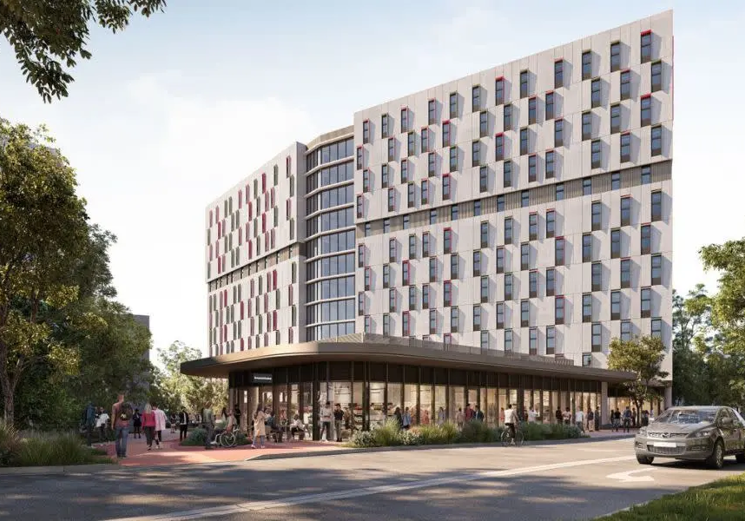
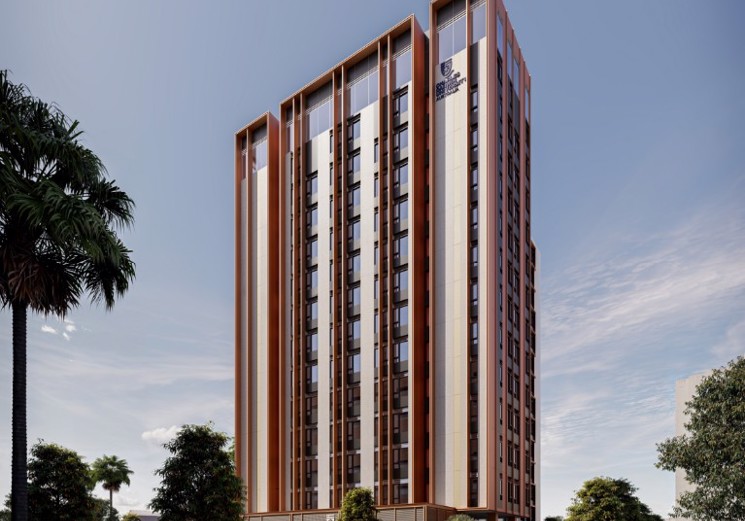
The Purpose-Built Student Accommodation (PBSA) tower at Griffith University’s Gold Coast campus in Queensland is set to become a landmark building for Campus Living Villages (CLV).
Location
QLD
Client
Campus Living Villages
Project Manager
The APP Group
Architect
DKO Architecture
Builder
Built.
Landscape Designer
Arcadia Landscape Architecture
Structural Engineer
TTW
Our Services
Mechanical Electrical Hydraulic Fire Lift Sustainability
Project Value
$86 million
The project embodies a commitment to delivering best-in-class best-in-class healthy and sustainable environments and was delivered through a fully integrated building services approach, including mechanical, electrical, hydraulic, fire, vertical transport, and sustainability services. This 11-storey tower will redefine student living with modern amenities and exemplify cutting-edge sustainable design, having achieved 5-Star Green Star buildings designed rating, and on track to achieve Gold WELL Certification, demonstrating a holistic approach to health, well-being, and environmental stewardship.
Our sustainability team is dedicated to achieving these ambitious goals through innovative design and rigorous adherence to sustainability principles. The sustainability themes are designed to reflect the unique nature of the site and provide best practice outcomes for Griffith University and CLV residents.
Core sustainability themes that will shape the future of campus living:
- Net positive carbon through renewable energy and electrification;
- High performing building to support the health & well-being of its occupants;
- Biodiversity action plan;
- Provision of amenities to enable residents to live healthy, active and safe lives;
- Include First Nations heritage wherever possible, including in the built form, landscaping and wayfinding;
- Precinct with community and connection at the front of mind, to foster resident programs and build communal relationships.
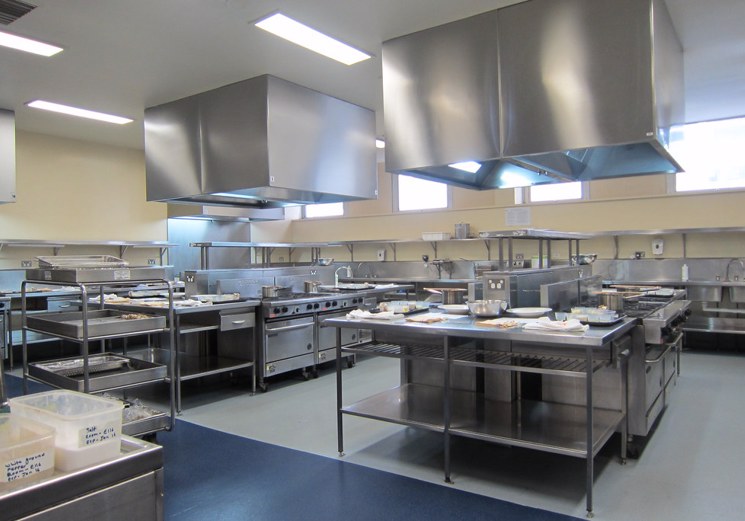
The scope of the Green Star and WELL certification covers a student accommodation building with a 2-storey adjacent block comprising of a cinema room, retail, food and beverage spaces, communal kitchen and lounge areas.
Key initiatives include:
- Passive design elements: High-performance façade, effective shading, and natural ventilation to reduce energy demand and enhance indoor quality, with energy-efficient building systems;
- Renewables: On-site renewable energy to cut greenhouse gas emissions;
- Climate resilience: Adaptation to climate change impacts;
- Indoor environment quality: High indoor air quality, acoustics, visual amenity, and thermal comfort.
- Waste management: Practices during operation, construction, and demolition by diverting waste from landfills.
- Water management: Water-efficient fixtures, rainwater harvesting for irrigation and toilet flushing. Stormwater management systems and Water Sensitive Urban Design principles to minimise peak flows and pollutants.
- Social sustainability: Indigenous design elements, universal design principles, and community benefits through facility use;
- Strategies for lifetime indoor air quality: source elimination, active/passive design, and behavioural interventions.
- Water quality: Improvements for drinking water and protection of building materials from water damage;
- Lighting design: Support circadian rhythms, enhance productivity, and improve sleep quality;
- Healthy design: Promoting physical activity through environmental design and policies.
Photo provided by Campus Living Villages.